16 juni 2024 08:38
Topic starter
Q&A
7
Berichten
7
Gebruikers
13
Reactions
1,106
Bekeken
4

What is a better choice for psychedelic therapy? MDMA or psilocybin?

17 juni 2024 20:31
I remember know that I already wrote an article about choosing between MDMA and psilocybin in case of childhood trauma.
See also: MDMA or psilocybin (childhood trauma)
6 antwoorden
4
26 januari 2026 13:16
Both MDMA and psilocybin are psychedelic substances that have shown promise in the treatment of for example depression and trauma, including childhood trauma.There are both psychedelics, but they have different effects and mechanisms of action.
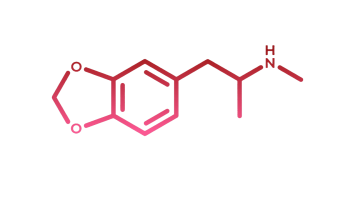
MDMA is a synthetic drug that primarily affects the release and reuptake of neurotransmitters such as serotonin, dopamine, and norepinephrine. It is known for its empathogenic and euphoric effects, as well as its ability to reduce fear and anxiety. MDMA-assisted therapy involves taking a therapeutic dose of MDMA in a controlled setting, typically with the guidance of a trained therapist. The MDMA helps to create a sense of safety and openness, allowing individuals to explore and process traumatic experiences.
Psilocybin, on the other hand, is a naturally occurring psychedelic compound found in certain species of mushrooms, often referred to as magic mushrooms or shrooms. Psilocybin acts primarily on serotonin receptors in the brain, leading to altered perception, enhanced introspection, and a sense of interconnectedness. Psilocybin therapy involves taking a moderate to high dose of psilocybin in a therapeutic setting, again typically with the guidance of a trained therapist. The psychedelic experience induced by psilocybin can help gain new insights, process emotions, and reframe traumatic experiences.
The choice between MDMA and psilocybin therapy may depend on various factors, including individual preferences, medical history, and the specific goals of therapy. Maybe we can help you making a decision, but we need some information. By filling in the intake, we can help you out further:
1
26 januari 2026 13:15

Choosing between MDMA and psilocybin is less about finding a "winner" and more about matching the tool to the specific emotional or psychological landscape you're navigating. Both are showing incredible promise in clinical trials, but they function very differently.
1. The Core Experience
While both can lead to profound insights, the "vibe" of the sessions is distinct.
2. Best Use Cases
Clinical research has tended to funnel these substances toward specific conditions based on how they affect the brain.
MDMA: Best for Trauma and Connection
MDMA temporarily dampens the amygdala (the brain's fear center). This allows people with PTSD or severe trauma to revisit painful memories without being overwhelmed by a "fight or flight" response.
-
Target: PTSD, social anxiety in autistic adults, couples therapy.
-
The Goal: Processing "stuck" emotions and building a bridge of empathy toward oneself.
Psilocybin: Best for Perspective and Depression
Psilocybin increases neuroplasticity and breaks down the "Default Mode Network" (the part of the brain responsible for repetitive loops of thought). It’s like shaking a snow globe, allowing new perspectives to settle.
-
Target: Treatment-resistant depression, end-of-life anxiety, smoking cessation/addiction.
-
The Goal: Gaining a "birds-eye view" of one's life and breaking out of rigid mental ruts.
3. Key Considerations
It is important to remember that in a therapeutic context, the "medicine" is only half of the equation; the therapeutic container can also do a lot. Also consider this:
-
Physical Safety: MDMA is a stimulant and can increase heart rate/blood pressure, which requires screening for heart conditions. Psilocybin is physically very safe but can be more "psychologically challenging" during the peak.
-
The "Come Down": MDMA can sometimes lead to a temporary dip in mood (the "Tuesday blues") a few days later as serotonin levels reset. Psilocybin often leaves users with an "afterglow" that can last weeks.
1
30 januari 2026 18:42

Important Recent Developments
MDMA Therapy Status (2024-2025): While MDMA-assisted therapy showed promising results in clinical trials, it's worth noting that the FDA did not approve MDMA for PTSD treatment in August 2024. The agency requested additional studies to address concerns about trial methodology and potential risks. This doesn't mean MDMA therapy doesn't work, but it does mean the regulatory path is still evolving. In some countries, MDMA therapy may still be available through compassionate use programs or clinical trials.
Psilocybin Therapy: Psilocybin therapy has made more regulatory progress in some regions, with Oregon and Colorado in the US creating legal frameworks for supervised use, and ongoing trials continue to show promise.
Critical Safety Considerations Not Mentioned Above
Contraindications - When NOT to Use These:
Both MDMA and Psilocybin should be avoided if you:
- Have a personal or strong family history of psychosis or schizophrenia
- Are currently taking certain medications (especially SSRIs, MAOIs, or lithium)
- Have severe cardiovascular issues (particularly important for MDMA)
- Are pregnant or breastfeeding
MDMA specifically:
- Can interact dangerously with many medications
- Carries risks of overheating and dehydration
- May cause more severe "comedowns" in people with existing serotonin imbalances
- Has potential for neurotoxicity if used frequently or at high doses
Psilocybin specifically:
- Can trigger latent psychological issues in vulnerable individuals
- May cause difficult experiences ("bad trips") that require skilled therapeutic support
- Can be psychologically challenging for people with unprocessed trauma
Research to Be Aware Of
Some key studies worth looking into:
- MAPS Phase 3 MDMA trials (2021) showed 67% of PTSD participants no longer met diagnostic criteria after treatment, but these results have been scrutinized
- Johns Hopkins psilocybin studies for depression and end-of-life anxiety
- Imperial College London research on psilocybin and treatment-resistant depression
- Recent studies on the overlap between these substances - both can help with trauma, both can help with depression
The Overlap Is Bigger Than You Think
While the "MDMA for trauma, psilocybin for depression" guideline is useful, reality is more complex:
- Psilocybin is also being studied for PTSD
- MDMA is being researched for depression and social anxiety beyond just trauma
- Individual responses vary widely - what works for one person may not work for another
Bottom Line
Both MDMA and psilocybin can be powerful therapeutic tools when used responsibly in proper therapeutic contexts. But they're not suitable for everyone, and the therapeutic container (therapist, setting, preparation, integration) is just as important as the substance itself.
If you're seriously considering this path:
- Get a thorough medical evaluation
- Research therapists/facilitators extensively
- Read peer-reviewed studies, not just testimonials
- Take time to prepare - don't rush
- Plan for integration support afterwards
- Be honest about your motivations and mental health history
This is a personal journey, and what works for someone else might not work for you. Trust your instincts, do your research, and prioritize safety above all.
Disclaimer: I'm not a medical professional. This is educational information based on current research and should not replace consultation with qualified healthcare providers.
1
7 februari 2026 12:53

For a first timer I would go for MDMA as it feels more like a safer experience. Psilocybin can be challenging. Of do it together.
1
13 februari 2026 11:09

For the health of your body you can better go for psilocybin. It has a positive effect on your cells. MDMA is an easier experience but it's not so good for your cells.
1
19 februari 2026 13:48

I would alway go for psilocybin over MDMA. It's a purer form of emotional expression. But when you have a lot of anxiety you might want to do MDMA or psilocybin + MDMA