15 december 2022 15:02
Topic starter
Q&A
3
Berichten
4
Gebruikers
6
Reactions
2,181
Bekeken
2

Psilocybin and BDNF (brain-derived neurotrophic factor) are two substances that are involved in the regulation of brain function and behavior. Psilocybin is a naturally occurring psychedelic compound found in certain types of mushrooms, and it is thought to have antidepressant and anxiolytic effects. BDNF is a protein produced by the brain that helps to support the growth, development, and maintenance of neurons, and it is thought to play a role in learning and memory.
Some research has suggested that psilocybin may affect the levels of BDNF in the brain, and that this may be one of the mechanisms by which it produces its effects. For example, one study found that psilocybin increased BDNF levels in the hippocampus, a brain region involved in learning and memory, and that this increase was associated with improved mood and reduced anxiety in participants. However, more research is needed to fully understand the relationship between psilocybin and BDNF.
3 antwoorden
3
14 april 2025 09:16

Psilocybin is closely linked to BDNF (Brain-Derived Neurotrophic Factor), a key protein responsible for promoting neuroplasticity — the brain's ability to form new neural connections and adapt to change.
When psilocybin is ingested, it’s converted in the body into psilocin, which strongly activates 5-HT2A serotonin receptors in the brain. This activation triggers a cascade of biochemical effects, one of which is the increased release of BDNF.
Higher BDNF levels contribute to:
- The growth of new neurons and dendritic branches.
- Enhanced learning and memory.
- Emotional resilience and faster recovery from stress or trauma.
- Greater cognitive flexibility — allowing for new insights and breaking old thought patterns.
These mechanisms help explain why many users of psilocybin-assisted therapy report profound shifts in perception, emotional healing, and a renewed sense of purpose after just one or two sessions.
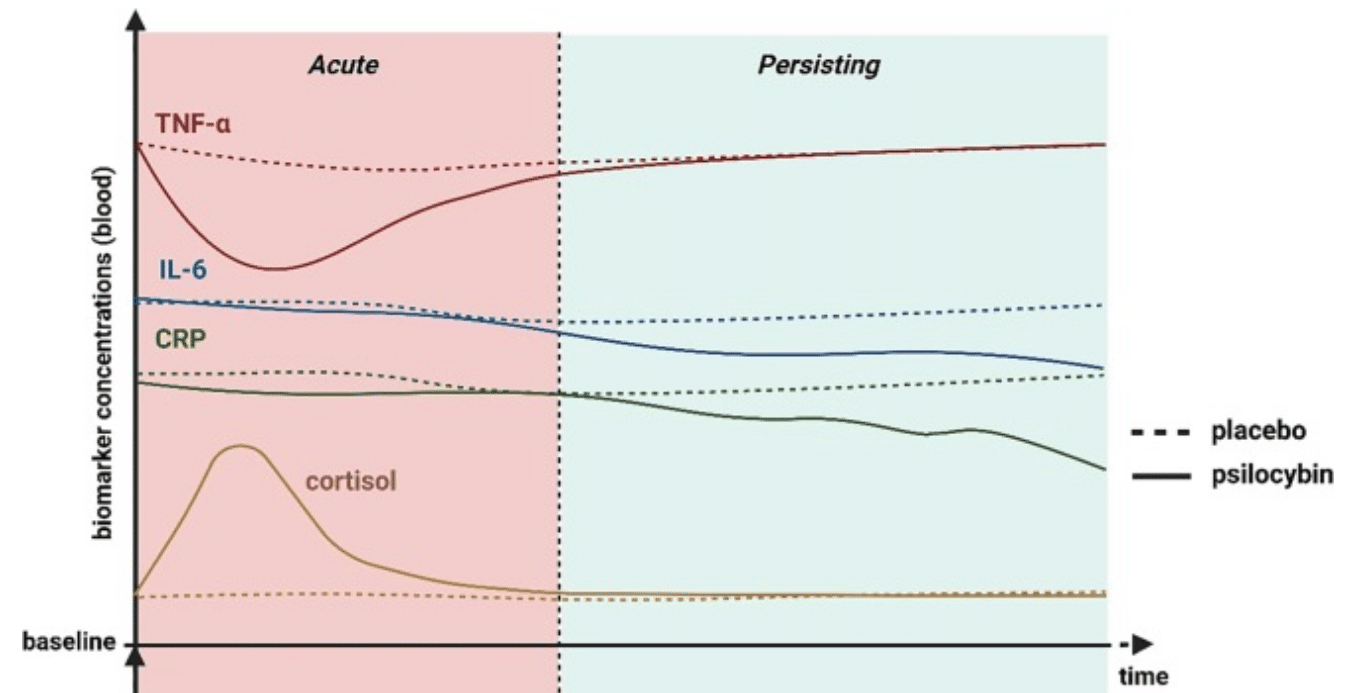
In addition, psilocybin has been shown to reduce inflammation in the brain by lowering markers like TNF-alpha, IL-6, and CRP. Chronic inflammation is often linked to depression, so this anti-inflammatory action may further support BDNF expression and overall mental health.
You can explore more on how psilocybin influences brain plasticity and emotional healing in this detailed overview of psilocybin therapy.
1
24 januari 2026 19:16

You’ve hit on one of the most exciting areas of modern neuroscience. The relationship between psilocybin and BDNF (Brain-Derived Neurotrophic Factor) is essentially the bridge between "tripping" and long-term mental health healing.
Think of BDNF as "Miracle-Gro" for the brain. While the psychedelic experience provides the "insight," BDNF provides the structural repairs.
The Mechanism: From Receptor to Repair
When psilocybin enters the system, it converts to psilocin and binds primarily to receptors. This binding doesn't just change your perception; it triggers a signaling cascade that tells the neurons to produce more BDNF.
This process leads to:
-
Synaptogenesis: The creation of new synapses (connections) between neurons.
-
Dendritic Branching: Neurons grow more "branches," allowing them to communicate more effectively.
-
Neuroplasticity: The brain becomes more "malleable," making it easier to unlearn old, negative thought patterns and "wire in" new, healthier ones.
The "Window of Opportunity"
The increase in BDNF levels creates what researchers call a "plasticity window." * During the trip: You see your problems or your relationship from a new perspective.
-
After the trip: Because BDNF levels remain elevated for days or even weeks (the "afterglow"), your brain is physically more capable of turning those insights into permanent habits.
BDNF and the Hippocampus
As you mentioned, the hippocampus is a major player here. Chronic stress and depression are known to actually shrink the hippocampus over time. By boosting BDNF in this specific region, psilocybin may help "regrow" lost volume, effectively reversing some of the physical damage caused by long-term emotional distress.
0
28 januari 2026 08:26

Psilocybin and BDNF (Brain-Derived Neurotrophic Factor) are partners in a "feedback loop" that drives brain growth. Their relationship works through two primary mechanisms:
1. Indirect: Boosting BDNF Levels
Psilocybin (via psilocin) activates serotonin 5-HT2A receptors, which triggers a biological cascade that tells your brain to produce more BDNF protein.
Think of this as the "factory" ramping up production of the brain's natural fertilizer.
2. Direct: Supercharging the TrkB Receptor
This is the more recent discovery. BDNF's job is to plug into the TrkB receptor to signal growth. Psilocin binds to that same receptor at a different spot and acts as a "Positive Allosteric Modulator."
The effect: It makes the TrkB receptor much more sensitive and stable.
The result: Even small amounts of BDNF become significantly more effective. Psilocin essentially "primes" the receptor so the BDNF you already have works better and longer.